

End Milling vs. Finishing Milling: Understanding the Distinctions in CNC Machining
In CNC machining, milling processes play a critical role in transforming raw stock into precise components. Among these, end milling is a broad category that encompasses a wide range of operations using end mill tools, while finishing milling specifically refers to the final stages or specialized techniques aimed at achieving exceptional surface quality and dimensional accuracy. The confusion often arises because end milling can include both roughing and finishing phases, but dedicated finishing approaches prioritize smoothness over aggressive material removal.
This article clarifies the differences between general end milling (often involving roughing) and finishing milling, covering tools, parameters, applications, and best practices to help machinists make informed decisions.
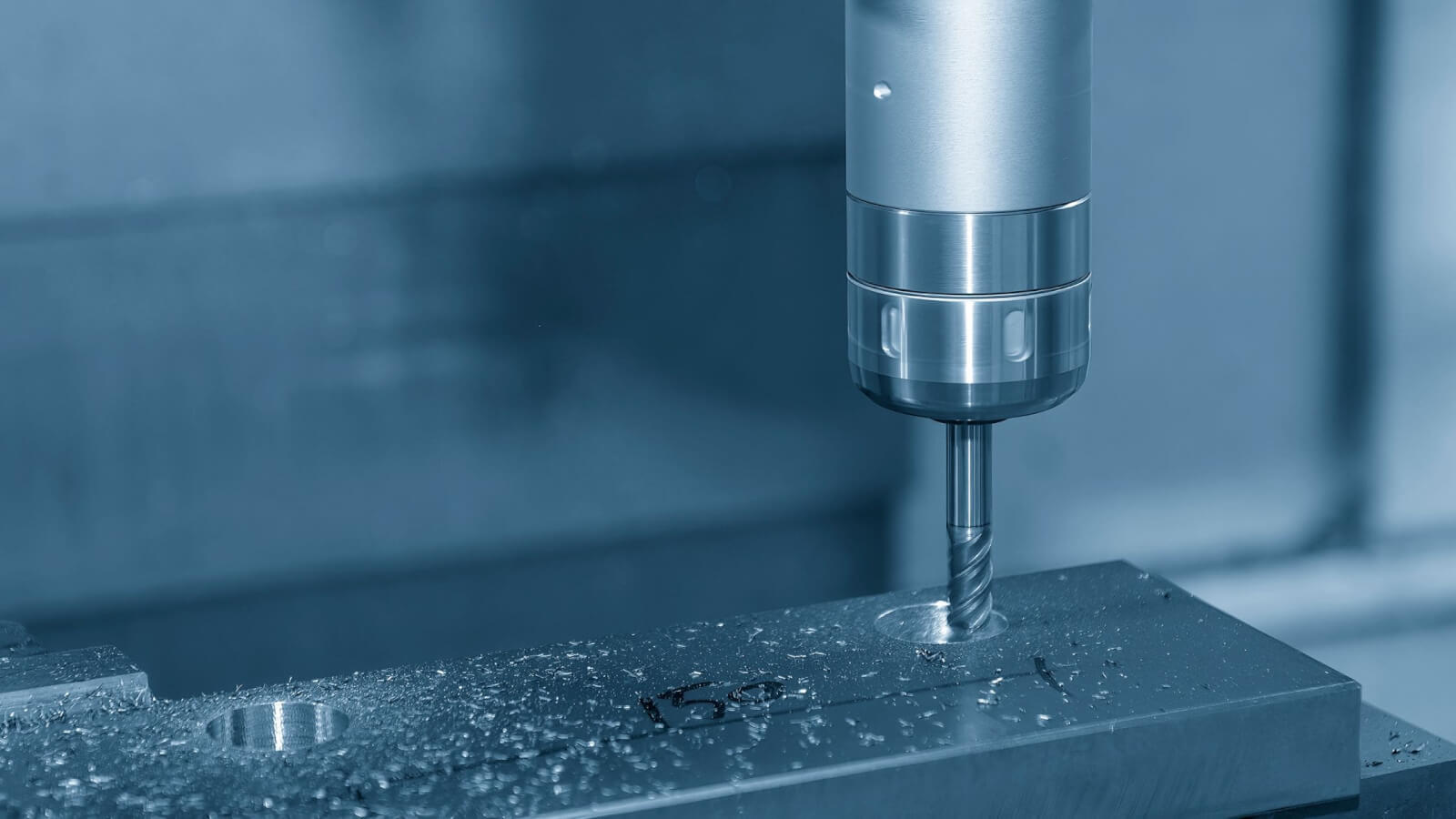
Overview of End Milling
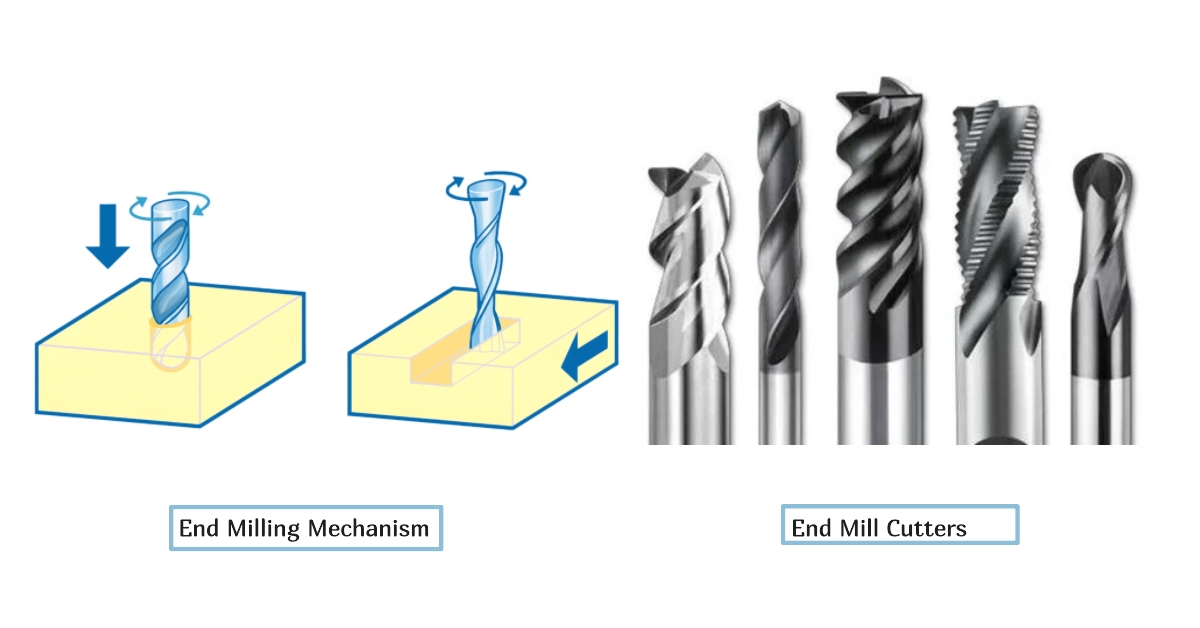
End milling utilizes cylindrical cutting tools known as end mills, which feature cutting edges on both the peripheral sides and the flat end face. This design allows the tool to cut axially (plunging into the material) and radially (side cutting), making it ideal for creating slots, pockets, profiles, contours, and complex 3D geometries.
End milling is typically performed on vertical or horizontal CNC mills and is versatile across materials like aluminum, steel, stainless steel, and titanium. It often begins with roughing operations to quickly remove large volumes of material, leaving allowance for subsequent finishing.
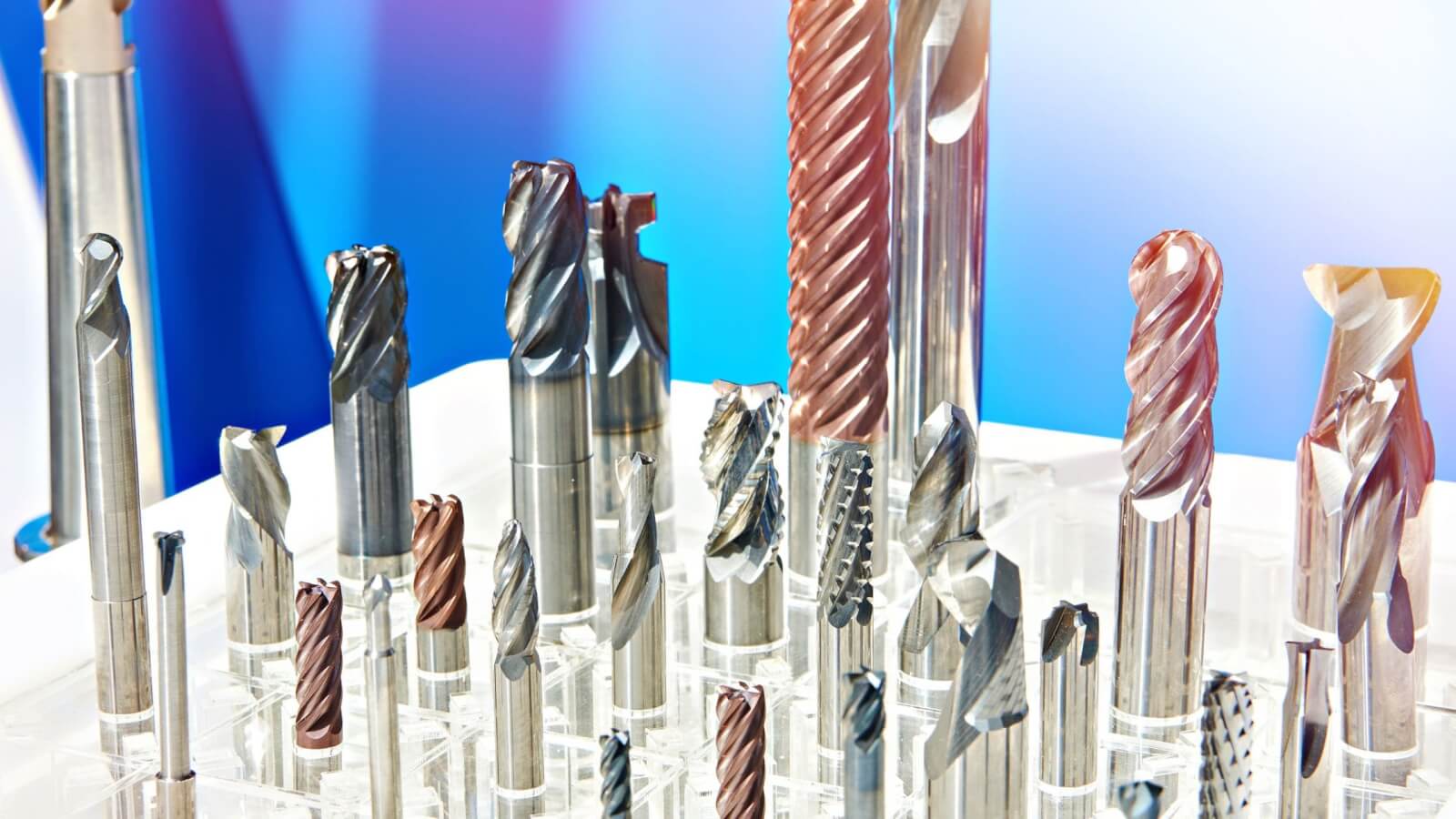
Common end mill variants include square-end, ball-nose, and corner-radius types. Roughing end mills, with their distinctive "corn cob" or chip-breaker designs, excel in high material removal rates by breaking chips into smaller pieces for better evacuation.
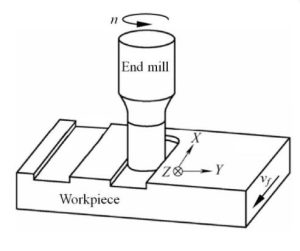
Defining Finishing Milling
Finishing milling is the refinement phase where the focus shifts from bulk removal to achieving superior surface finish, tight tolerances, and minimal tool marks. It involves lighter cuts, smaller step-overs, and optimized feeds and speeds to produce smooth surfaces—often with Ra values under 0.8 µm.
Specialized finishing end mills feature more flutes (typically 4–8), polished edges, and variable helix angles to reduce chatter and harmonics. Ball-nose end mills are particularly popular for finishing contoured surfaces in molds and dies, as their rounded tip allows smooth transitions without scallop marks when using appropriate step-over distances.
In some contexts, finishing milling may incorporate face mills for flat surfaces or high-speed strategies like trochoidal paths for efficiency without sacrificing quality.
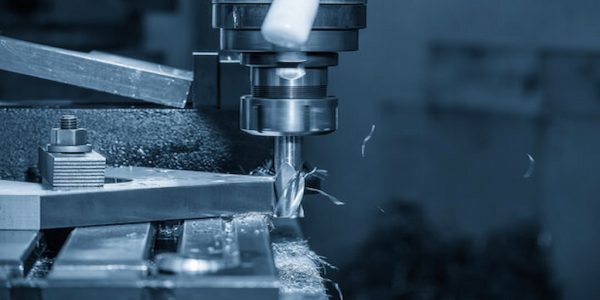
Key Differences Between End Milling and Finishing Milling
While end milling is an umbrella term that includes roughing, semi-finishing, and finishing, the distinction often lies in intent and execution. Here's a detailed comparison:
| Parameter | End Milling (Primarily Roughing) | Finishing Milling |
|---|---|---|
| Objective | Rapid stock removal and feature creation | High surface quality and final dimensional accuracy |
| Tool Design | Fewer flutes, roughing profiles (chip breakers) | More flutes, polished/sharp edges, variable helix |
| Material Removal Rate | High (deep cuts, aggressive feeds) | Low (shallow depths, light radial engagement) |
| Step-Over | 30–50% of tool diameter | 5–15% for smooth finishes |
| Surface Finish | Rough (Ra 3–6 µm typical) | Mirror-like (Ra <1 µm possible) |
| Cutting Forces | Higher, requiring rigid setups | Lower, minimizing deflection |
| Chip Management | Large chips, emphasis on evacuation | Fine chips, focus on heat dissipation |
| Typical Applications | Initial shaping, pockets, slots | Molds, aerospace parts, optical surfaces |
Practical Applications and Tool Selection
End Milling (Roughing): Ideal for prototyping, heavy stock removal in forgings or castings, and when cycle time reduction is priority. Use in aluminum for high feeds or in hardened steels with appropriate coatings like AlTiN.
Finishing Milling: Essential for injection molds, turbine components, medical implants, and any part requiring low friction or aesthetic appeal. Ball-nose tools shine in 3D surfacing, while long-reach finishing mills handle deep cavities.
Modern CAM software often separates these into distinct operations: adaptive clearing for roughing (high MRR paths) and contour or parallel finishing for refinement.
Best Practices for Success
Parameter Optimization: Use climb milling for finishing to improve surface quality and reduce burrs.
Toolpath Strategy: Employ constant scallop height for contoured finishing to maintain uniform cusp height.
Coolant and Lubrication: Through-tool coolant enhances chip evacuation in roughing; mist or air blast suffices for many finishing passes.
Machine and Setup Rigidity: Critical for both, but especially finishing to avoid chatter marks.
Inspection: Measure surface roughness with profilometers post-finishing to verify results.
By strategically combining robust end milling for roughing with precise finishing milling, manufacturers can significantly reduce overall machining time while delivering parts that meet stringent quality standards. Mastering these distinctions leads to more efficient workflows and superior end products in today's competitive CNC environment.