

Applications of CNC Machining in Medical Implant Manufacturing
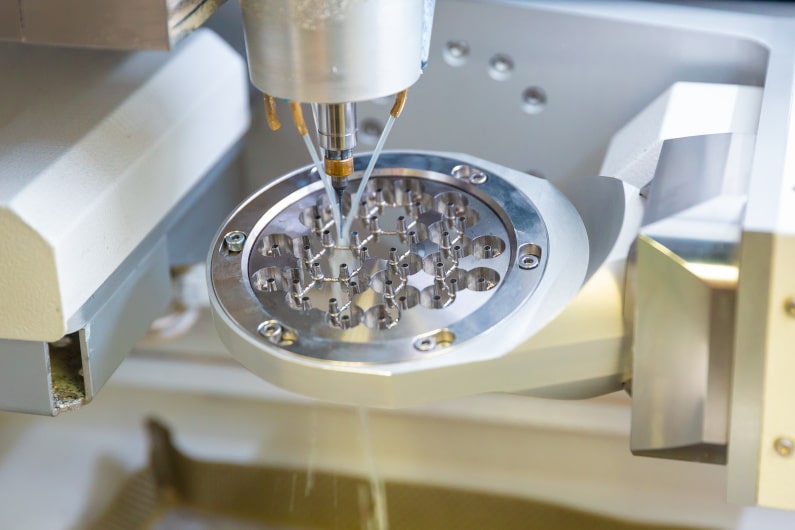
CNC (Computer Numerical Control) machining is a core technology for manufacturing medical implants such as bone screws, artificial joints, and dental implants.
Through high-precision milling, turning, and drilling, it ensures part tolerances within ±0.01 mm, supporting titanium alloys, stainless steel, or biocompatible materials.
By 2025, the global medical CNC machining market is projected to exceed $600 million, growing at a CAGR of 6.1%, driven by personalized medicine and automation demands.
Below is a detailed analysis covering advantages, trends, and case studies.
Advantages
Key benefits of CNC machining in the medical implant field include: High precision and customization: Supports complex geometries and micron-level tolerances, suitable
for patient-specific implants (e.g., 3D-scanned custom bone scaffolds).
Material Compatibility: Processes biocompatible materials (e.g., titanium, PEEK) compliant with FDA/EU MDR standards, minimizing rejection risks.
Efficiency & Cost: Short production cycles for small batches (completed within days), reducing inventory costs by 20-30%.
Quality Control: Integrates automated inspection (e.g., laser scanning) to ensure zero defects and compliance with ISO 13485 medical standards.
Case Study:
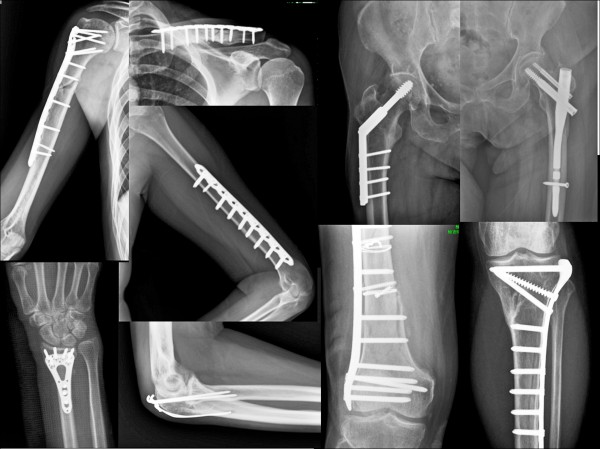
The following is a typical 2025 case demonstrating CNC's practical application in implants:
1.Neway Precision's Titanium Alloy Bone Screws: Customized small-batch bone screws for hospitals, manufactured via 5-axis CNC machining with tolerances of 0.005 mm
and a 5-day delivery cycle. Results: 95% clinical trial success rate, 25% cost reduction.
2.Boeing Medical's CNC-Machined Joint Components: Transferring aviation technology to CNC-machined titanium joints with integrated automation, achieving 50% higher
output while meeting FDA standards.
3.SYIL's Micro Implants: Laser-CNC hybrid machined dental implants with <0.1 mm precision. Featured in 2025 trends for neurodevices, reducing surgery time by 30%.
CNC machining is reshaping the medical implant industry, ensuring safety and innovation. If you require more details on specific materials (e.g., titanium alloys) or case specifics,
I can elaborate further!